
Galleries & museums
The Art Gallery of Ontario, the Royal Ontario Museum, the Aga Khan Museum and the Museum of Contemporary Art anchor a gallery scene that also fills Queen West and the Junction Triangle.
Home / Living in Toronto
A guide to the city beyond the condo: its history, its culture, its green spaces and how to get around.
History
The name Toronto is widely traced to the Mohawk word tkaronto, describing a place where trees stand in the water, a reference to fishing weirs at the narrows of Lake Simcoe.
Toronto sits on the traditional territory of many nations, including the Mississaugas of the Credit, the Anishnabeg, the Chippewa, the Haudenosaunee and the Wendat peoples. It is now home to many diverse First Nations, Inuit and Métis peoples. The city is covered by Treaty 13 with the Mississaugas of the Credit and by the Williams Treaties signed with multiple Mississaugas and Chippewa bands.
The 1787 "Toronto Purchase" was disputed for generations. In 2010, the Government of Canada settled the Mississaugas of the Credit's land claim over it.

1750
The French build Fort Rouillé, a trading post near today's Exhibition grounds.
1793
John Graves Simcoe founds the Town of York and Fort York is built at the mouth of Garrison Creek.
1813
American forces capture York during the War of 1812 and burn the parliament buildings.
1834
York is incorporated as the City of Toronto, with William Lyon Mackenzie as its first mayor.
1904
The Great Toronto Fire destroys much of the downtown core, which is rebuilt in brick and stone.
1954
Canada's first subway opens under Yonge Street.
1976
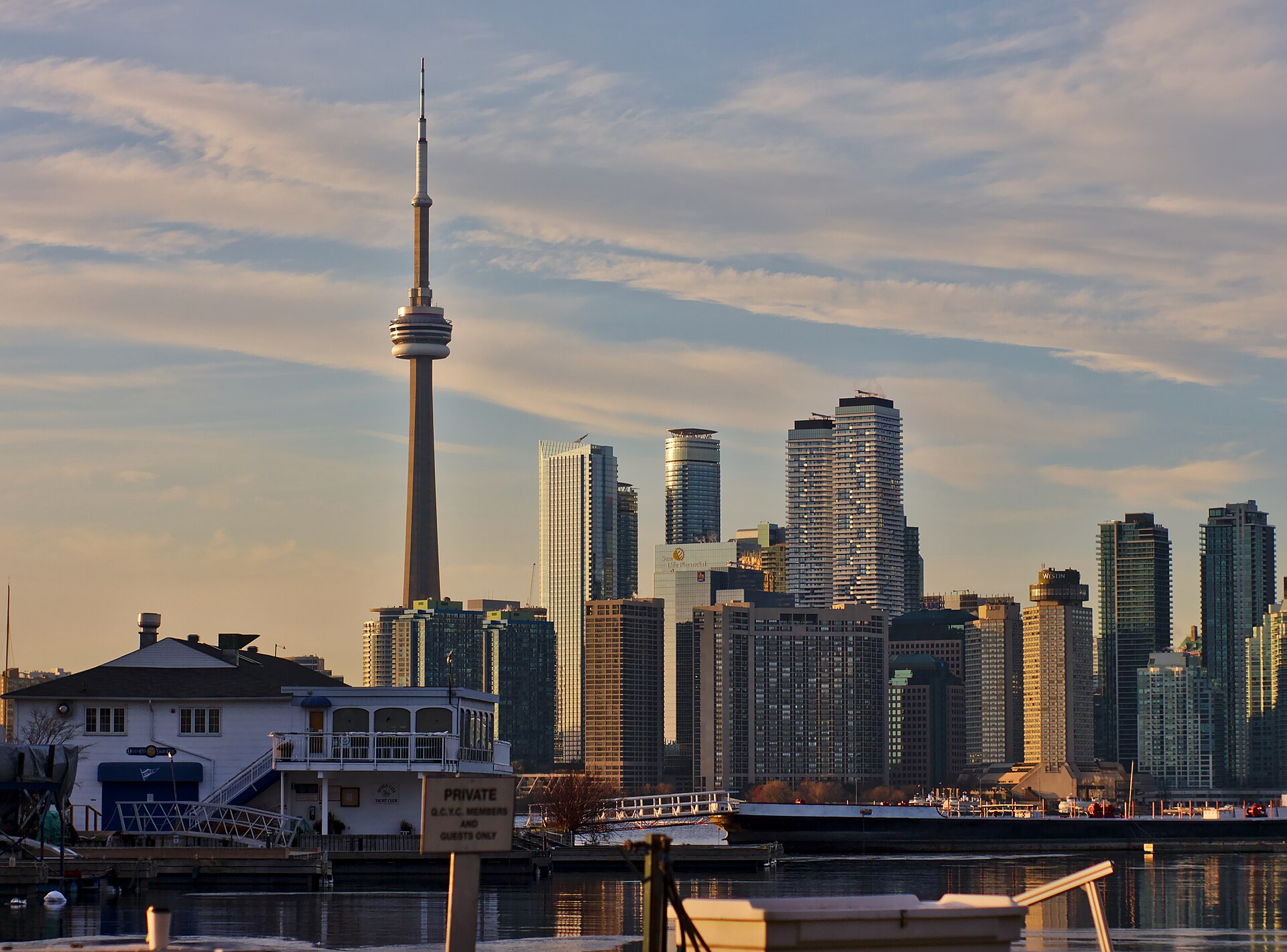
The CN Tower is completed and becomes the symbol of the skyline.
1998
Six municipalities amalgamate to form today's City of Toronto.
2000s–today
A condo boom reshapes downtown, the waterfront and midtown into some of North America's densest neighbourhoods.
Arts & culture
The Art Gallery of Ontario, the Royal Ontario Museum, the Aga Khan Museum and the Museum of Contemporary Art anchor a gallery scene that also fills Queen West and the Junction Triangle.

Catch opera and ballet at the Four Seasons Centre, concerts at Massey Hall and Roy Thomson Hall, and Mirvish shows in the Entertainment District. Public art fills Nathan Phillips Square, Berczy Park and the Bentway.
September
The Toronto International Film Festival takes over King Street West.
Fall
An all-night contemporary art event across the city.
Summer
One of North America's largest street festivals.
June
A month of events ending in one of the world's biggest parades.
Outdoors
A short ferry ride from the foot of Bay Street: beaches, bike paths and the best skyline view in the city.

High Park's cherry blossoms and Grenadier Pond, plus one of the largest urban ravine systems in the world.

Sugar Beach, HTO Park and the Martin Goodman Trail, a paved path along the lake for walking, running and cycling.
Weekend getaways
Getting around
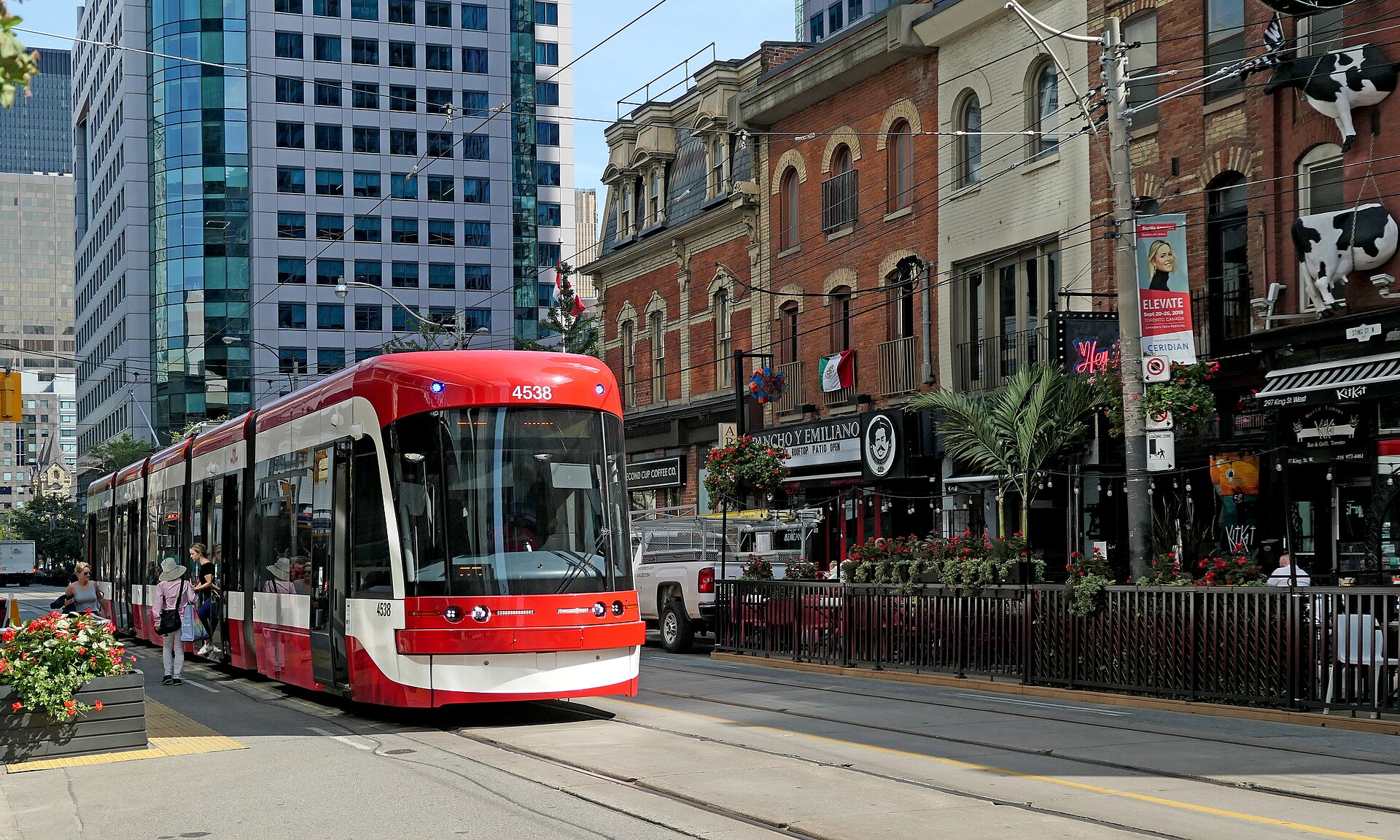
Subway lines, streetcars and buses cover the city, and the Line 5 Eglinton LRT adds a fast east-west route through midtown. Many downtown condo owners live comfortably without a car.

Union connects the subway, GO Transit and the UP Express to Pearson Airport. The PATH, more than 30 km of underground walkways, links the Financial District in any weather.
Summers are warm and humid. Winters are cold and snowy, though the lake keeps downtown milder than the suburbs. Spring and fall are short and beautiful.
Bike Share Toronto has stations all over downtown, and Billy Bishop Airport on the Toronto Islands is minutes from the core.
St. Lawrence Market, Kensington Market, Chinatown, Little Italy and the Danforth, plus patios on King, Ossington and Queen West.
Buying, selling or just curious?
Tell us what you're looking for and we'll send you honest numbers, the buildings worth seeing and a plan that fits. No pressure, no obligation.